Anuman: A Unique Display Font for Design Projects
Choosing the right font can transform a design from ordinary to extraordinary. In the world of typography, Anuman stands out as a unique display font that offers both visual impact and practical versatility. Its distinctive style makes it an excellent choice for professionals across industries who want to elevate their creative output without compromising on clarity or aesthetics.
What Makes Anuman Different?
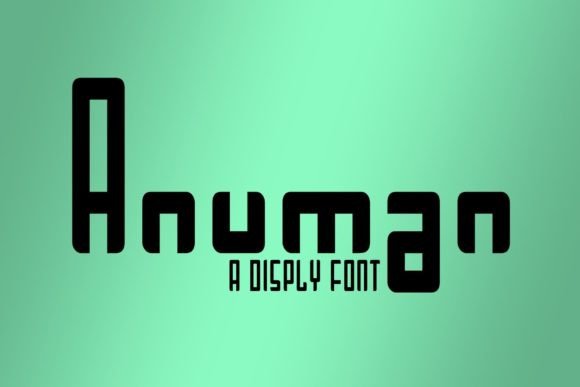
Anuman is not just another decorative typeface. It blends bold personality with readability, which is rare in fonts designed primarily for display purposes. The character structure features strong, angular lines paired with subtle curves, creating a balance between modernity and approachability. This duality allows Anuman to fit seamlessly into both artistic and commercial contexts, making it a go-to option for designers seeking a font that commands attention while maintaining professionalism.
Characteristics That Define Anuman
- High Contrast: The thick and thin strokes enhance legibility at larger sizes, perfect for headlines and titles.
- Unique Personality: With its slightly irregular shapes and dynamic rhythm, Anuman adds a sense of movement and energy to any layout.
- Extensive Glyph Set: Includes ligatures, alternate characters, and stylistic variations to support diverse design needs.
- Cross-Platform Compatibility: Available in OpenType and TrueType formats, ensuring smooth integration into most design software.
Why Designers Should Consider Using Anuman
For creators working on product packaging, book covers, banners, and other high-impact visuals, Anuman provides an edge by enhancing the overall aesthetic appeal. Unlike generic sans-serif or serif fonts, Anuman brings a fresh perspective that helps projects stand out in crowded markets. Whether you're designing a brand identity or crafting a compelling poster, this font can add a layer of sophistication that resonates with your audience.
Real-World Use Cases for Anuman
Let’s explore how Anuman can be effectively used in different scenarios:
- Product Packaging: When launching a new line of eco-friendly products, using Anuman on labels or logos can communicate innovation and sustainability through its clean yet expressive form.
- Book Covers: Independent authors or publishers aiming for a contemporary look often rely on display fonts like Anuman to create memorable and eye-catching designs that reflect the tone of the content.
- Banners and Titles: Marketing teams frequently use Anuman in event banners or promotional materials where boldness and clarity are essential to convey key messages quickly and effectively.
- Business Cards: Entrepreneurs looking to make a lasting first impression might choose Anuman to give their business cards a distinct, professional flair that aligns with their brand's creativity.
Enhancing Creativity and Communication with Anuman
Fonts play a crucial role in communication, especially when it comes to branding and storytelling. Anuman supports these goals by allowing designers to express individuality without sacrificing functionality. For instance, educators creating visually engaging course materials may find Anuman useful for highlighting key concepts in a way that’s both stylish and easy to read.
Another benefit is its ability to simplify decision-making during the design process. With so many options available, choosing a font that fits multiple applications can streamline workflows. Anuman serves as a reliable choice for those who need a single font that works across various media — from print to digital — without requiring constant adjustments or replacements.
Supporting Brand Identity and Visual Consistency
Consistency in branding is vital for building trust and recognition. Freelancers and small business owners often struggle with maintaining a cohesive look across all touchpoints. Anuman helps bridge this gap by offering a versatile yet unique appearance that can unify elements like logos, social media headers, and website banners under one typographic theme.
Consider a lifestyle blog focused on minimalist design. By using Anuman in headings and feature titles, the blog can maintain a modern feel while ensuring each post remains distinct and engaging. The font’s adaptability means it can scale well across platforms, supporting a seamless user experience from desktop to mobile devices.
Who Benefits Most from Anuman?
While Anuman is suitable for a wide range of design applications, certain professionals and businesses will find it particularly valuable:
- Graphic Designers: Those working on editorial layouts, branding packages, or advertising campaigns will appreciate Anuman’s expressive nature and technical flexibility.
- Entrepreneurs and Startups: Brands in need of a strong visual identity can leverage Anuman to craft a signature look that reflects their values and vision.
- Marketing Professionals: From email subject lines to event posters, Anuman can help marketing teams create content that grabs attention and conveys confidence.
- Content Creators and Bloggers: Individuals who rely on visual storytelling can use Anuman to emphasize key points, differentiate sections, and build a more immersive reading environment.
Case Study: A Small Business Launch
A local bakery recently launched a new line of organic pastries and needed a fresh look to match their updated brand values. They chose Anuman for their logo, menu boards, and packaging. The result was a unified, clean aesthetic that clearly communicated their commitment to quality and innovation. Customers noticed the change immediately, and feedback highlighted how the font made the brand feel more trustworthy and modern.
How to Use Anuman Effectively
To maximize the impact of Anuman, consider pairing it with complementary fonts for body text. While it excels in display settings, it’s not ideal for long paragraphs due to its stylized characteristics. A recommended approach is to use it alongside a neutral sans-serif or serif font for body copy, ensuring readability isn’t compromised.
When using Anuman in a multilingual context, verify that the font includes the necessary glyphs for the languages you intend to support. Many display fonts have limited language coverage, and Anuman is no exception. Always preview the font in your target language before finalizing your design.
Design Tips for Working with Anuman
- Use it sparingly for maximum effect — avoid overusing it in areas where large amounts of text are required.
- Experiment with spacing and alignment to highlight its architectural qualities.
- Combine it with contrasting colors or textures to enhance its visual presence without overwhelming the design.
- Utilize its stylistic alternates to add subtle variation and keep the design feeling dynamic.
Limitations and When to Compare Options
No font is a one-size-fits-all solution. While Anuman is highly adaptable, it may not suit every project. If your design requires a font with extensive cultural or linguistic support, or if you’re targeting audiences that prefer ultra-clean minimalism, it’s worth exploring similar alternatives such as Montserrat, Raleway, or Bebas Neue. Comparing these fonts side-by-side can help determine which best aligns with your specific needs and preferences.
Additionally, since Anuman is a display font, it may require careful scaling and spacing to ensure it doesn’t become too busy or hard to read in certain contexts. Testing it in real-world conditions — such as printing on glossy vs matte surfaces or viewing on screens at different resolutions — can reveal how well it performs under varied circumstances.
When Not to Use Anuman
- In long-form documents or websites where readability is paramount.
- With audiences that prioritize traditional or formal typography.
- When a font with more comprehensive language support is needed.
Integrating Anuman into Your Workflow
Adding Anuman to your design toolkit is straightforward. Most font providers offer direct download and installation instructions. Once installed, it should appear in all major design software including Adobe Photoshop, Illustrator, and InDesign, as well as web-based tools like Canva and Figma.
For digital projects, ensure you’re using a properly licensed version of the font if embedding it on a website or app. Some versions of Anuman may come with web font kits or CSS @font-face declarations, making it easier to implement across online platforms.
Practical Recommendations
- Start by using Anuman in a few key areas of your design — such as headlines or call-to-action buttons — before expanding its use.
- Create a mock-up using the font in its intended application (e.g., a business card) to see how it looks in real size and format.
- Review the font in black-and-white or grayscale to assess its performance outside of color-dependent contexts.
- Keep your design team informed about the font’s limitations and strengths to ensure it’s used appropriately.
Final Thoughts on Anuman
Typography is more than just selecting a pretty font — it’s about making strategic choices that enhance communication and design outcomes. Anuman is a standout option for those who want to inject character into their work without losing focus on function. Its blend of modernity and elegance makes it especially useful for entrepreneurs, marketers, and creatives looking to leave a lasting impression.
As with any tool, success depends on knowing when and how to apply it. By understanding Anuman’s strengths and limitations, you can make informed decisions that align with your project goals. Whether you’re redesigning a brand, launching a new product, or simply looking to refresh your portfolio, Anuman could be the missing piece that elevates your work to the next level.
Give it a try in your next design project and see how it contributes to stronger visuals, clearer messaging, and a more polished end result.