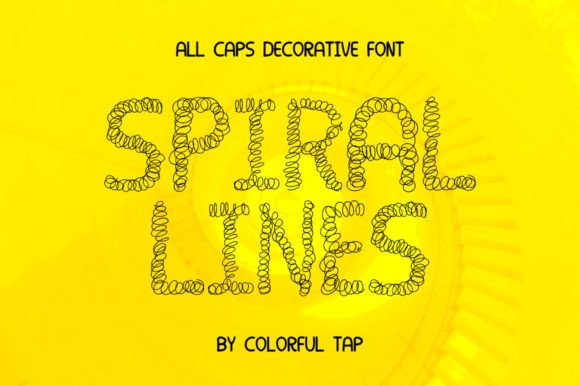
Spiral Lines: A Versatile and Expressive Font for Creative Projects
Fonts play a crucial role in the visual identity of any project, from digital presentations to handcrafted greeting cards. Among the many typefaces available today, Spiral Lines stands out as a unique and artistic choice. Its name alone hints at its defining feature — a swirling, dynamic structure that mimics natural movement and adds an element of whimsy and energy to any design. This font is particularly well-suited for crafts, digital art, branding materials, and other creative applications where a touch of personality can elevate the overall aesthetic.
What Is Spiral Lines?
Spiral Lines is a decorative typeface characterized by flowing, curvilinear strokes that resemble spirals or curls. Unlike standard sans-serif or serif fonts, it doesn’t aim for clarity above all else but instead embraces fluidity and organic shapes. The characters are designed with a sense of motion, making them ideal for contexts where creativity and expression take precedence over formal readability.
Typically, Spiral Lines falls into the category of script or display fonts. These are often used in titles, headings, logos, or short text elements rather than long passages. The font’s design incorporates subtle variations in stroke width and direction, giving each letter a distinct and lively feel. Because of these characteristics, it is especially popular among designers working on projects such as invitations, posters, and social media graphics.
Key Features of Spiral Lines
- Organic Flow: The font emulates handwriting with its smooth curves and interconnections, creating a sense of spontaneity.
- Visual Interest: Each character is crafted to stand out, offering a visually engaging option for attention-grabbing headlines.
- High Legibility in Context: While not meant for large blocks of text, Spiral Lines remains highly legible when used appropriately in short bursts.
- Customizable Display: Many versions of this font include ligatures or alternate glyphs, allowing users to tailor the appearance to their needs.
How Spiral Lines Compares to Other Decorative Fonts
When choosing a decorative font like Spiral Lines, it’s important to understand how it stacks up against similar options. For example, traditional script fonts often mimic cursive handwriting, which can be elegant but sometimes difficult to read. In contrast, Spiral Lines maintains a balance between style and usability, ensuring that even in smaller sizes, the letters remain clear enough for casual reading.
Compared to more rigid display fonts — such as those with geometric or typewriter-style designs — Spiral Lines offers a softer, more fluid alternative. It’s less about precision and more about emotion and movement. This makes it a better fit for projects requiring warmth, creativity, or a personal touch.
Best Fit vs. Best Avoid
There are situations where Spiral Lines thrives and others where it may not be the best choice. Here’s a quick breakdown:
- Best Fit:
- Craft projects like scrapbooking, handmade cards, and DIY decorations.
- Digital illustrations or animations where the font contributes to the visual narrative.
- Logos and brand identities for businesses targeting a youthful or artistic audience.
- Presentations and slides needing a bold, eye-catching title or graphic element.
- Best Avoid:
- Long paragraphs of body text due to potential readability issues.
- Projects requiring high levels of formality or professionalism, such as legal documents or academic papers.
- Small print sizes where intricate details might become lost.
- Environments with poor lighting or low-resolution displays.
Strengths of Spiral Lines in Creative Work
One of the biggest strengths of Spiral Lines is its ability to convey a sense of joy and movement. When used correctly, it can transform a simple message into something memorable. For instance, using Spiral Lines in a children’s birthday invitation instantly adds a playful vibe, while using it in a motivational poster can evoke inspiration and positivity.
Another benefit is its adaptability across different mediums. Whether you're designing a digital banner for a website or printing a greeting card, Spiral Lines can be adjusted in weight, color, and spacing to suit the format. Its open apertures and generous x-height also make it more legible than many other similarly stylized fonts.
Real-World Examples
- Wedding Invitations: Spiral Lines can be paired with floral backgrounds or watercolor textures to create a romantic, dreamy look.
- YouTube Titles: For content creators who want to stand out, this font can be animated to flow or spiral in time with music, adding flair without overwhelming the viewer.
- Artisan Branding: Small business owners in the craft, beauty, or wellness industries often use Spiral Lines to communicate a handmade or organic feel.
Tradeoffs and Limitations
While Spiral Lines has many strengths, it also comes with some tradeoffs. One common issue is that its ornate style may clash with minimalist or modern design aesthetics. If your project relies heavily on clean lines and neutral tones, a more subdued font might be necessary.
Additionally, because it's a decorative typeface, it requires careful pairing with other fonts. Using it alongside another script or overly stylized font could lead to visual confusion. It’s usually best to pair Spiral Lines with a solid, readable font to maintain hierarchy and clarity.
Accessibility is another factor to consider. Although Spiral Lines is more legible than many script fonts, it still lacks the sharpness and contrast found in sans-serif or serif typefaces. Therefore, it should never be used for body text in accessible environments, such as websites catering to users with dyslexia or visual impairments.
Design Considerations
- Use it sparingly to avoid visual fatigue.
- Ensure sufficient contrast between the text and background colors.
- Avoid using it in small point sizes unless necessary.
- Test its performance on various devices and screen resolutions before finalizing a design.
Alternatives to Spiral Lines
If Spiral Lines isn’t quite right for your project, there are several alternatives worth considering. Some fonts offer a similar level of expressiveness but differ in tone or application:
- Brush Script: A classic cursive font with a soft, handwritten feel. It works well for similar purposes but lacks the dynamic swirls of Spiral Lines.
- Jazz: Another flowing script font, known for its elegance and slightly tighter curls. It’s excellent for formal events but may not match Spiral Lines’ energetic vibe.
- Comic Sans MS: Though controversial, Comic Sans is widely recognized for its informal, playful style. Spiral Lines provides a more refined and professional version of that same spirit.
- Great Vibes: A popular choice for wedding invitations, this font is bold and dramatic but doesn’t have the same intricate line work as Spiral Lines.
Each of these fonts has its own strengths and weaknesses, so the decision ultimately depends on the specific context and desired outcome of your project.
When to Choose Spiral Lines
Opt for Spiral Lines when you want to inject creativity and movement into your design. It’s particularly effective in the following scenarios:
- For Short Text Elements: Headlines, taglines, or call-to-action buttons where impact matters most.
- In Artistic Projects: Digital collages, custom illustrations, or background text overlays where the font adds to the visual story.
- With Handmade Themes: Spiral Lines complements textures like watercolor, brush strokes, or paper effects, enhancing the overall theme.
- For Niche Audiences: Use it when targeting younger demographics or creative professionals who appreciate expressive typography.
Choosing the Right Font for Your Needs
To determine whether Spiral Lines is the best fit for your next project, ask yourself a few key questions:
- Do I need a font that conveys creativity or emotional resonance?
- Is the text being used primarily for visual appeal rather than information delivery?
- Will the font be viewed in large sizes or short bursts?
- Does the overall design style align with fluid, organic forms?
If you answered “yes” to most of these, Spiral Lines could be an excellent addition to your toolkit. However, if your project requires high readability, strict formatting, or a more serious tone, it may be better to explore other options.
Conclusion: Finding the Right Balance
Font selection is a nuanced part of design, and Spiral Lines represents a compelling choice for those seeking a blend of artistry and functionality. Its unique structure and expressive nature make it ideal for crafting, digital design, and presentation work, especially when used thoughtfully and in appropriate contexts.
Ultimately, the best font for any project is one that supports both the message and the medium. Spiral Lines shines in environments where creativity and visual interest are valued, but it’s not a one-size-fits-all solution. By understanding its strengths and limitations, you can confidently choose when to deploy it — and when to reach for something more conventional.