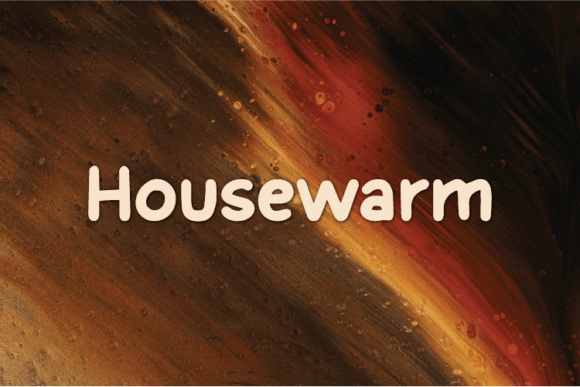
What Makes Housewarm a Unique and Versatile Display Font
Fonts are more than just letters on a screen—they’re the voice of your design. Choosing the right typeface can make or break a project, especially when it comes to display fonts used for headlines, logos, and creative content. Housewarm, a natural display font, stands out in the crowded world of typography because of its unique creation process and broad usability. Unlike many other display fonts that rely on heavy stylization or complex node adjustments, Housewarm is crafted with an emphasis on simplicity and authenticity. This makes it not only visually appealing but also highly adaptable across various platforms and industries.
The Natural Design of Housewarm
One of the most fascinating aspects of Housewarm is how it was created. The font is designed without altering a single node in each character’s indentation. This means every stroke, curve, and angle remains as close to its original form as possible, preserving the natural feel and organic flow that distinguishes it from more rigid or overly engineered typefaces.
This approach results in a font that feels hand-drawn yet precise. It offers the warmth and personality of a custom script without the inconsistencies often found in handwritten styles. For designers who value both creativity and functionality, this balance is essential. Whether you're working on branding materials, social media posts, or print designs, Housewarm brings a human touch that resonates with audiences.
Why Indentation Matters in Font Design
In digital typography, characters are built using nodes—points that define the shape of each letterform. Most display fonts undergo extensive node manipulation to achieve their final look, whether that’s a bold slab serif or a delicate cursive. However, this process can sometimes lead to a loss of character or a feeling of artificiality.
By keeping the nodes intact, Housewarm retains the essence of its source material. This technique allows the font to maintain a sense of spontaneity while still being scalable and legible at different sizes. It's a rare combination that appeals to both typographers and casual users looking for something fresh and authentic.
Applications Where Housewarm Shines
Housewarm is particularly well-suited for projects where readability isn’t the top priority but visual impact is. Here are some of the key areas where this font excels:
- Quotes and Captions: Its elegant curves and balanced structure make it perfect for displaying motivational quotes, product descriptions, or short captions in posters, blogs, and websites.
- Notes and Invitations: The font’s warm and inviting appearance works beautifully in handwritten-style notes, thank-you cards, and event invitations, giving them a personal and artistic flair.
- T-Shirts and Apparel: When designing t-shirts, Housewarm adds a stylish yet approachable element that catches the eye and complements modern fashion trends.
- Product Packaging: Brands looking to convey a sense of craftsmanship or authenticity can benefit from using Housewarm in packaging designs, labels, or promotional materials.
Because of its clean lines and subtle details, Housewarm can be used in both minimalist and maximalist designs. It adapts well to backgrounds with texture, gradients, or even solid colors, making it a flexible choice for graphic designers and artists alike.
Pairing Housewarm with Other Fonts
While Housewarm is a standout display font on its own, knowing how to pair it with complementary typefaces enhances its effectiveness. Since it lacks the weight and density of more aggressive display fonts, it pairs best with san-serif or serif fonts that provide contrast without clashing.
For example, pairing Housewarm with a clean sans-serif like Montserrat or Open Sans creates a harmonious balance between elegance and clarity. In editorial layouts, this combination helps guide the reader’s attention from the headline to the body text seamlessly.
How Housewarm Fits Into Modern Design Workflows
Designers today are always looking for tools that streamline their workflow without compromising quality. Housewarm fits into this need by offering a high-quality display font that doesn’t require additional tweaking or customization to perform well.
Its straightforward structure allows for easy integration into design software such as Adobe Photoshop, Illustrator, and Figma. You won't find yourself adjusting individual glyphs or wrestling with spacing issues, which saves valuable time during the design process. Additionally, since it maintains its integrity across different sizes, scaling up for billboards or down for mobile screens is hassle-free.
Use in Web and Mobile Design
On digital platforms, Housewarm can be embedded via web font services like Google Fonts or Adobe Fonts. While it may not be ideal for long paragraphs of body text due to its decorative nature, it performs exceptionally well in headings, banners, and call-to-action buttons.
Using Housewarm in web design requires attention to performance considerations. As a decorative display font, it may have larger file sizes compared to simpler typefaces. However, the trade-off is worth it for those aiming to create memorable and engaging user interfaces.
Print Projects and Branding
Print remains a vital medium for many businesses and creatives. Housewarm’s crisp edges and soft curves translate well onto paper, canvas, and fabric, ensuring that your printed materials retain their visual appeal. Whether it’s a greeting card, a coffee mug, or a branded tote bag, the font adds a level of sophistication that elevates the overall design.
When used in branding, Housewarm can help establish a unique identity. It conveys warmth, creativity, and a personal touch—qualities that resonate with customers in niches like lifestyle products, wellness brands, and artisanal goods.
Practical Benefits of Using Housewarm
There are several reasons why designers and creators should consider adding Housewarm to their font library. Let’s explore some of the most compelling benefits:
- Time Efficiency: With no need to adjust individual nodes, designers can focus more on layout and composition rather than fine-tuning each character.
- Consistency Across Platforms: Housewarm looks great in both digital and print formats, reducing the need for multiple versions of the same font.
- Versatility in Use: From fashion to food packaging, this font adapts easily to a wide range of applications without losing its charm.
- Scalability: The font holds up well at large sizes, making it suitable for signage, murals, and large-format printing.
- Emotional Connection: Its natural aesthetic fosters a sense of trust and familiarity, helping to build stronger connections with the audience.
Considerations Before Choosing Housewarm
Despite its strengths, Housewarm isn’t the best fit for every project. Before adopting it, consider the following factors:
- Legibility in Small Sizes: While Housewarm is excellent for large displays, it may not be as readable in smaller text. Always test it at different scales before finalizing a project.
- Font Licensing: Ensure you understand the licensing terms if you plan to use Housewarm in commercial work. Some fonts require specific permissions for resale or redistribution.
- Color Contrast: Because of its light and open structure, Housewarm might need a strong color contrast against certain backgrounds to stand out effectively.
Real-World Scenarios for Housewarm
To better understand how Housewarm can be applied, let’s look at some real-world examples:
Example 1: Social Media Content
A wellness influencer uses Housewarm in Instagram stories to highlight daily affirmations. The soft curves and open shapes create a calming effect, aligning perfectly with the brand’s mission of promoting mental health and mindfulness.
Example 2: Product Listings
An online shop selling handmade journals employs Housewarm for product titles and taglines. The font gives each listing a personalized and artistic feel, encouraging customers to perceive the items as premium and thoughtfully made.
Example 3: Wedding Invitations
Wedding planners often choose Housewarm for custom invitation suites. The font’s romantic and elegant qualities suit the theme while maintaining enough clarity to ensure guests can read the details easily.
Recommendations for Creative Use
If you’re new to using Housewarm, here are a few tips to get started:
- Start with High-Impact Elements: Use it for headlines, logos, or any part of the design that needs to draw attention quickly.
- Layer with Textures: To enhance its natural feel, consider layering it with watercolor brushes, parchment textures, or ink splatters in digital art tools.
- Experiment with Spacing: Play around with tracking and leading to find the optimal balance for your layout. Slight spacing adjustments can significantly improve readability and aesthetics.
- Stick to One or Two Colors: Avoid overcomplicating the design by limiting the number of colors used alongside Housewarm. A monochrome or duotone palette usually highlights the font best.
Why Housewarm Stands Out in the Market
In a market flooded with display fonts, Housewarm distinguishes itself through its thoughtful design philosophy. Many fonts aim to impress with exaggerated features or intricate detailing, but Housewarm takes a different route. It focuses on delivering a natural, uncluttered style that feels genuine and expressive.
This font is ideal for individuals and small businesses that want to add a human touch to their designs without going overboard. Its subtlety ensures it doesn’t overshadow other elements in a layout, yet it still commands attention when needed. It's a versatile tool for anyone looking to communicate warmth and creativity through typography.
Observations on Typography Trends
Current typography trends lean toward authenticity and minimalism. Housewarm aligns perfectly with these movements by offering a design that feels both modern and timeless. As consumers become more discerning about the brands they support, the emotional resonance of a font like Housewarm can play a crucial role in building trust and engagement.
Moreover, the rise of remote work and digital-first marketing has increased the demand for fonts that perform well in both digital and physical spaces. Housewarm meets this demand by providing a consistent experience across mediums, allowing designers to maintain their vision regardless of the platform.
Final Thoughts on Housewarm
Housewarm is more than just another display font—it’s a statement piece. Its unique design approach, rooted in preserving the natural form of each character, sets it apart from the competition. Whether you’re creating a logo, designing apparel, or crafting a quote-based poster, Housewarm brings a distinct charm that’s hard to replicate.
As with any font, the key to success lies in understanding its strengths and limitations. Used correctly, Housewarm can become a powerful asset in your design toolkit. So next time you're looking for a font that feels personal yet professional, consider Housewarm as your go-to choice.