Exploring the Unique Characteristics and Uses of Lemon Tart Font
Lemon Tart is a distinctive display font that stands out in the world of typography with its hand-drawn charm and bold visual presence. Designed for both digital and print projects, it offers a fresh take on sans serif fonts while maintaining an artistic flair that makes it ideal for creative applications. This article delves into the features, advantages, and use cases of Lemon Tart, helping you understand how to best utilize it in your designs.
The Aesthetic Appeal of Lemon Tart
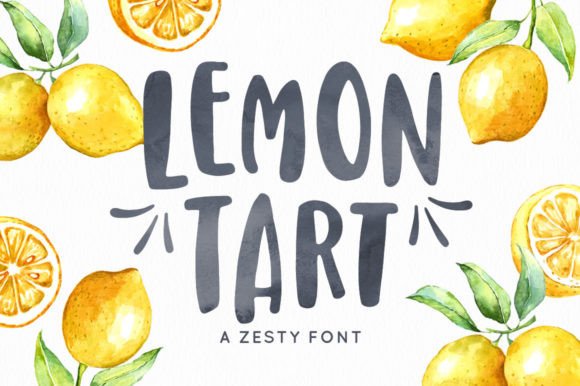
Lemon Tart is crafted with a focus on style and readability, making it versatile enough to be used across various platforms. Its all-caps format gives it a strong and confident appearance, which can be particularly effective in headlines or titles where impact is key. The condensed nature of the font allows for more text to fit within limited space without compromising legibility.
What sets Lemon Tart apart is its hand-drawn quality. Unlike many rigidly structured typefaces, this font has a soft, organic feel that mimics the imperfections of human handwriting. This subtle irregularity adds character and warmth, making it perfect for branding materials, packaging, or any design where a personal touch is desired.
Boldness and Versatility
With its bold weight and clean lines, Lemon Tart commands attention. It’s especially effective in high-contrast environments such as dark backgrounds or bright colors. The thickness of each letterform ensures visibility even at smaller sizes, which is a major advantage when designing for screens or signage.
Despite being bold, the font maintains a sense of elegance due to its refined shapes and spacing. This balance between strength and grace makes it suitable for both playful and professional contexts. For example, it could work well for a children's book cover or a modern logo for a tech startup.
Understanding Letter Variations
A unique feature of Lemon Tart is its inclusion of two variations for each uppercase letter. These alternate characters are accessed using the lowercase keys on compatible software, allowing designers to add visual interest and avoid repetition in their compositions. This flexibility enhances creativity by enabling subtle stylistic changes without altering the overall tone of the text.
- Design Flexibility: Alternate letters allow for dynamic layouts and unique typographic arrangements.
- Visual Cohesion: Despite the variation, the font maintains a consistent aesthetic throughout.
- Customization: Designers can mix and match characters to suit the project's mood or branding.
This characteristic is particularly useful for logos, posters, and other branding elements where uniqueness is essential. It also helps prevent the monotony that often comes with using a single-style font repeatedly in large blocks of text.
Practical Applications of Lemon Tart
Lemon Tart shines in situations where a bold yet approachable font is needed. Here are some common scenarios where it can be effectively used:
- Logo Design: Its strong presence and customizable characters make it ideal for creating memorable brand identities.
- Poster and Banner Layouts: Whether promoting an event or advertising a product, Lemon Tart can make the message stand out.
- Web Headers and Titles: The font’s clarity at smaller sizes and adaptability to screen formats help enhance user experience.
- Packaging and Merchandise: From t-shirts to product boxes, Lemon Tart brings a stylish edge to physical items.
- Social Media Graphics: With the rise of visual content, this font is a great choice for eye-catching posts and stories.
Considerations When Using Lemon Tart
While Lemon Tart is visually striking, it’s important to consider its limitations before incorporating it into every part of a design. As a display font, it is not intended for long-form body text. The condensed and all-caps format may become fatiguing for extended reading, so it should be reserved for short bursts of text such as headlines, subheadings, or call-to-action phrases.
Additionally, because of its hand-drawn nature, Lemon Tart may require careful alignment and spacing when used in large quantities. Designers should ensure consistency in kerning and leading to maintain a polished look. It’s always a good idea to pair it with a complementary sans serif or serif font for body copy to create a balanced typographic hierarchy.
Color and Background Pairings
Choosing the right color and background pairing is crucial when using Lemon Tart. The boldness of the font works exceptionally well against solid colors or gradients. However, it can also be paired with textured or patterned backgrounds to enhance its artistic appeal. For optimal contrast and readability, darker shades of blue, black, or green tend to highlight the font’s characteristics better than lighter hues.
When working digitally, designers should also consider the device on which the text will appear. High-resolution displays can showcase the fine details of Lemon Tart, while lower-resolution screens may benefit from slight adjustments in size or contrast to maintain clarity.
Who Can Benefit from Using Lemon Tart?
Lemon Tart is a valuable asset for a wide range of users. Creative professionals such as graphic designers and illustrators will appreciate the font’s versatility and unique character options. Educators and researchers might find it useful for presentations or infographics that require a bold title but still need to remain engaging and easy to read.
Business owners and marketers looking to establish a strong visual identity can leverage Lemon Tart to craft compelling branding materials. Its ability to convey confidence and creativity makes it an excellent choice for startups or lifestyle brands aiming to capture attention in a crowded market.
Hobbyists and DIY enthusiasts who enjoy customizing their own projects—whether it’s scrapbooking, invitations, or home décor—will find Lemon Tart to be a fun and expressive option. The font’s playful yet sophisticated style allows for personal expression while maintaining professionalism when needed.
Real-World Examples
Several industries have already embraced Lemon Tart for its distinctive qualities. In the food and beverage sector, it has been used on café menus and bakery packaging to evoke a sense of freshness and sweetness. In the fashion industry, Lemon Tart appears in clothing labels and promotional banners, adding a modern twist to traditional branding.
One notable example is a wellness brand that used Lemon Tart in its website headers and social media visuals. The font helped reinforce the brand’s energetic and health-conscious image, making the content more appealing to a younger demographic. Another case involves a publishing house that incorporated Lemon Tart into its magazine covers, giving them a vibrant and youthful look that resonated with readers.
Comparisons with Similar Fonts
To fully understand the value of Lemon Tart, it’s helpful to compare it with similar display fonts. While fonts like Bebas Neue and Montserrat offer bold sans serif styles, they lack the hand-drawn nuance and alternate character options that Lemon Tart provides. This makes Lemon Tart more expressive and adaptable for varied design needs.
Fonts such as Fredoka One and Quicksand are popular for their readability and modern aesthetics but don’t carry the same level of personality as Lemon Tart. If your goal is to make a statement while keeping a clean and contemporary look, Lemon Tart strikes the perfect balance between form and function.
Ultimately, the choice of font depends on the specific requirements of the project. Lemon Tart excels in areas where visual impact and customization are priorities, making it a standout option among display fonts.
Implementation Tips for Designers
For those new to working with Lemon Tart, here are some practical tips to maximize its potential:
- Use the alternate characters to vary the appearance of repeated words or phrases.
- Experiment with layering effects like shadows or outlines to enhance depth and dimension.
- Limit its use to short texts and pair it with a more readable font for body content.
- Ensure proper spacing and alignment to maintain a professional look.
- Test different color combinations to find what works best for your design context.
By following these guidelines, designers can harness the full power of Lemon Tart while avoiding common pitfalls associated with overly stylized fonts.
Trends and Future Relevance
In recent years, there has been a growing preference for fonts that blend digital precision with handcrafted elements. Lemon Tart fits perfectly into this trend, offering a modern interpretation of handwritten typography. As remote work and digital communication continue to evolve, the demand for expressive yet functional fonts is likely to increase.
Moreover, the rise of personalized branding and experiential marketing means that fonts like Lemon Tart will remain relevant. Brands are increasingly seeking ways to differentiate themselves visually, and a font that offers both boldness and customization is a powerful tool in achieving that goal.
Staying Ahead with Lemon Tart
Designers who incorporate Lemon Tart into their workflow can stay ahead of the curve by leveraging its unique attributes. Its hand-drawn feel appeals to audiences looking for authenticity and connection, which are key drivers in today’s content-driven world. Additionally, its bold structure aligns with current design trends favoring minimalism and strong visual statements.
As AI-generated content becomes more prevalent, the human element in typography remains essential. Lemon Tart, with its artistic origins and thoughtful variations, represents a bridge between technology and tradition, ensuring its place in future design landscapes.
Final Thoughts
Lemon Tart is more than just a font—it’s a design tool that empowers creators to express individuality and confidence through typography. Whether you’re crafting a logo, designing a poster, or enhancing a digital campaign, this font offers the flexibility and impact needed to leave a lasting impression.
Its combination of hand-drawn charm and bold structure makes it a favorite among professionals and hobbyists alike. By understanding its strengths and limitations, users can apply Lemon Tart effectively in a variety of contexts. As the design world continues to evolve, Lemon Tart stands as a testament to the enduring importance of thoughtful typography in storytelling and branding.